The Hidden Financial Burden of Incarceration on Families
When someone is incarcerated, the consequences extend far beyond the individual serving the sentence. Families on the outside often experience emotional stress, disruption to everyday life and, perhaps less visibly, a significant financial burden.
For many families, incarceration creates a collection of new expenses at exactly the same time that household income may be reduced. Transportation for visits, telephone calls, financial support for the incarcerated family member, legal expenses and other costs can quickly accumulate. What begins as a few manageable expenses can become a serious monthly financial commitment.
The Loss of Household Income
One of the most immediate consequences of incarceration may be the loss of income.
If the incarcerated person was contributing to rent or mortgage payments, groceries, utilities, childcare or other household expenses, the remaining family members may suddenly have to cover those costs alone. A two-income household can become a one-income household almost overnight.
For families already living on a tight budget, that change can be particularly difficult. There may be little room to absorb additional expenses—and incarceration often creates new ones.
The Cost of Staying Connected by Phone
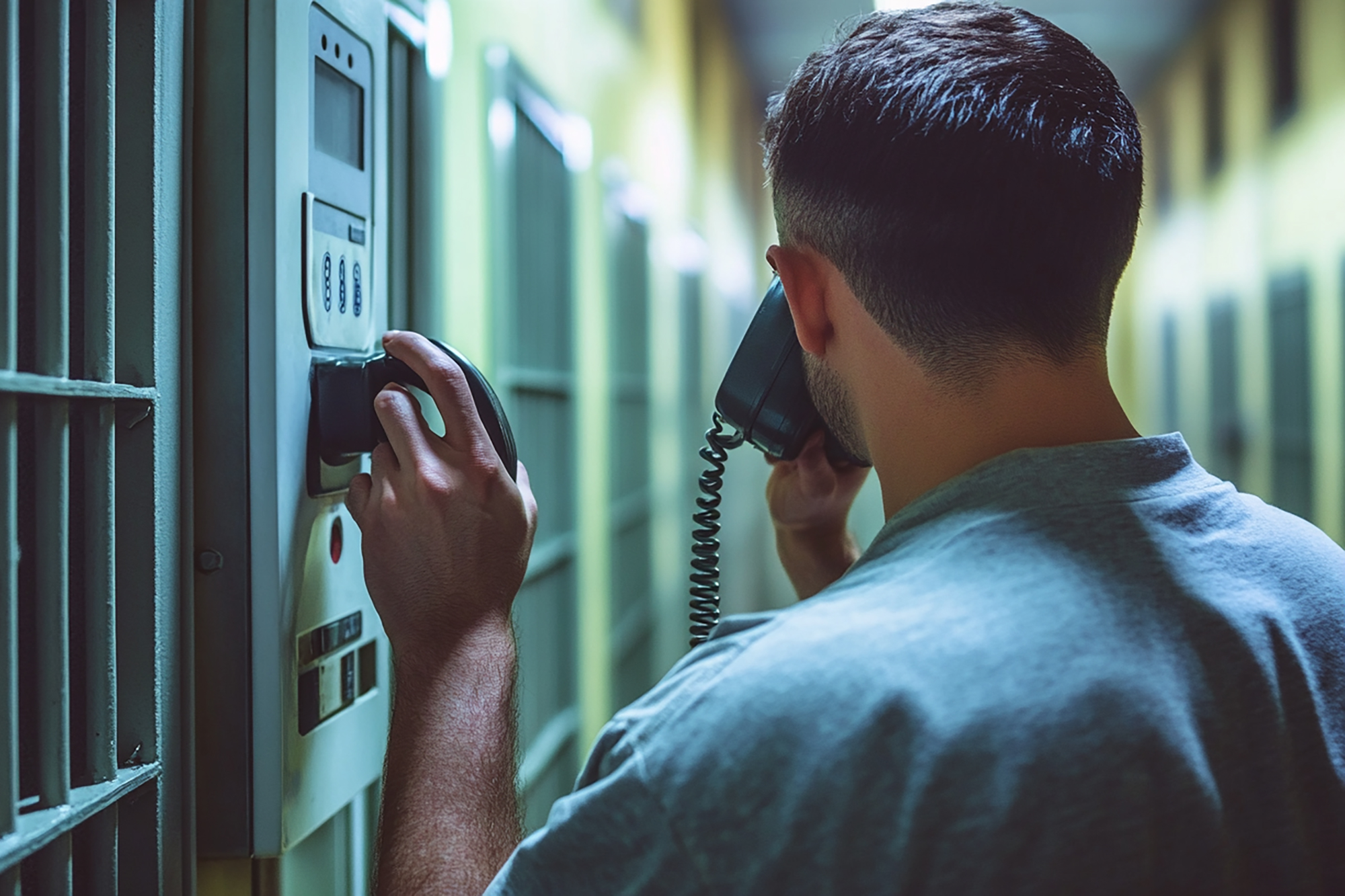
Telephone communication can become one of the most important ways of maintaining a relationship during incarceration.
A phone call allows parents to speak with children, spouses to remain involved in each other’s lives and incarcerated individuals to maintain connections with relatives and friends. These conversations can provide encouragement, reassurance and a sense of normalcy during an extremely difficult period.
But frequent telephone calls can also become another household expense.
A single call may not seem particularly costly. Multiply that cost by several calls a week—or even daily calls—over months or years, however, and the total can become substantial.
Families can find themselves making an uncomfortable choice: How often can we afford to talk?
That is why access to economical and predictable telephone options is so important. Reducing the cost of communication can allow families to focus on maintaining relationships rather than constantly calculating how much each conversation is costing them.
Transportation and Visiting Expenses
In-person visits create another category of expenses.
Correctional institutions are not necessarily located close to the incarcerated person’s home community. A family may have to travel considerable distances for a visit.
That can mean paying for gasoline, public transportation, parking or other travel expenses. Longer distances can involve meals and sometimes overnight accommodations.
There are indirect costs as well. A spouse or parent may need to take time away from work to make the trip. Families with young children may have additional childcare or transportation considerations.
The actual cost of a visit, therefore, can be much greater than the price of gasoline or a bus ticket.
Supporting Someone Inside
Families may also provide ongoing financial support to their incarcerated loved one.
Depending on the correctional system and institution, money may be needed for approved personal purchases or other expenses. Individual contributions may appear relatively small, but recurring deposits can become another regular item in the family’s budget.
Parents, spouses and other relatives may feel a strong responsibility to provide this support, even when they are struggling financially themselves.
Legal and Related Expenses
Legal costs can represent another major financial pressure.
Depending on the circumstances, families may face expenses associated with lawyers, legal consultations, documents and other aspects of navigating the justice system. Even after sentencing, there may be circumstances requiring further legal assistance.
Families may also encounter costs that are less obvious: managing financial obligations left behind, moving to less expensive housing, arranging childcare or travelling to appointments.
Each expense adds another layer to the financial impact of incarceration.
The Emotional Cost of Financial Stress
Financial pressure is rarely just about money.
Constantly worrying about bills can affect relationships, parenting, work and emotional well-being. Family members may feel guilty when they cannot afford another visit, send additional money or accept as many phone calls as they would like.
The incarcerated person may experience that stress as well, knowing that staying connected is costing the family money.
Affordable communication cannot eliminate all the financial challenges associated with incarceration, but it can help reduce one recurring burden.
Keeping Connection Within Reach
Families should not have to choose between maintaining an important relationship and meeting essential household expenses.
When telephone communication is economical, reliable and predictable, staying connected becomes easier to include in the family budget. Over a long period of incarceration, even modest savings per call can add up to meaningful savings.
The financial impact of incarceration is often carried quietly by the people on the outside—parents, spouses, children, siblings and grandparents who continue supporting someone they love.
Recognizing that burden is important. So is looking for practical ways to reduce it.
Because when a family is already dealing with lost income, travel expenses, legal costs and ongoing financial support, the simple act of staying connected should be as affordable as possible.