

The Importance of Regular and Meaningful Communication
Communication is more than just a basic human interaction—it’s a lifeline, especially for those who are incarcerated. For individuals behind bars, staying connected to family and community plays a critical role in maintaining their emotional well-being, preserving their identity, and paving the way for successful reintegration after release. Regular and meaningful communication can make the difference between hope and despair, progress and stagnation, and, ultimately, rehabilitation and recidivism.
Incarceration often leads to a deep sense of isolation. Being physically cut off from loved ones, familiar surroundings, and daily life routines can leave people feeling forgotten, dehumanized, and hopeless. For many incarcerated individuals, the most damaging aspect of prison is not the loss of freedom, but the loss of meaningful connection. Family and friends become a bridge to the outside world—a reminder that they are still cared for, still part of a larger story, and still have something to return to. Letters, phone calls, video chats, and in-person visits aren’t just passing moments of contact; they are crucial affirmations of identity, love, and belonging.
Studies have consistently shown that incarcerated individuals who maintain strong family ties are more likely to adjust positively while in prison and far less likely to reoffend after release. Communication helps preserve family roles, particularly for parents. A father who continues to speak with his children or a mother who can read bedtime stories over the phone is not just a distant figure—they remain a parent, with responsibilities and a sense of purpose. These interactions provide motivation for personal growth and good behavior, encouraging incarcerated individuals to engage in educational or rehabilitation programs. They also help loved ones—especially children—cope with the challenges of having a parent or relative in prison, reinforcing a sense of connection on both sides.
Beyond family relationships, maintaining communication with the wider community plays an important role in rehabilitation. Involvement with religious leaders, mentors, volunteers, and counselors from outside the prison system reminds individuals that society has not completely given up on them. These relationships can open up access to post-release opportunities like employment, housing, and counseling. They also create a support network that becomes invaluable when the person transitions back into the community. When communication lines remain open during incarceration, reentry becomes less abrupt and overwhelming, reducing the likelihood of returning to crime.
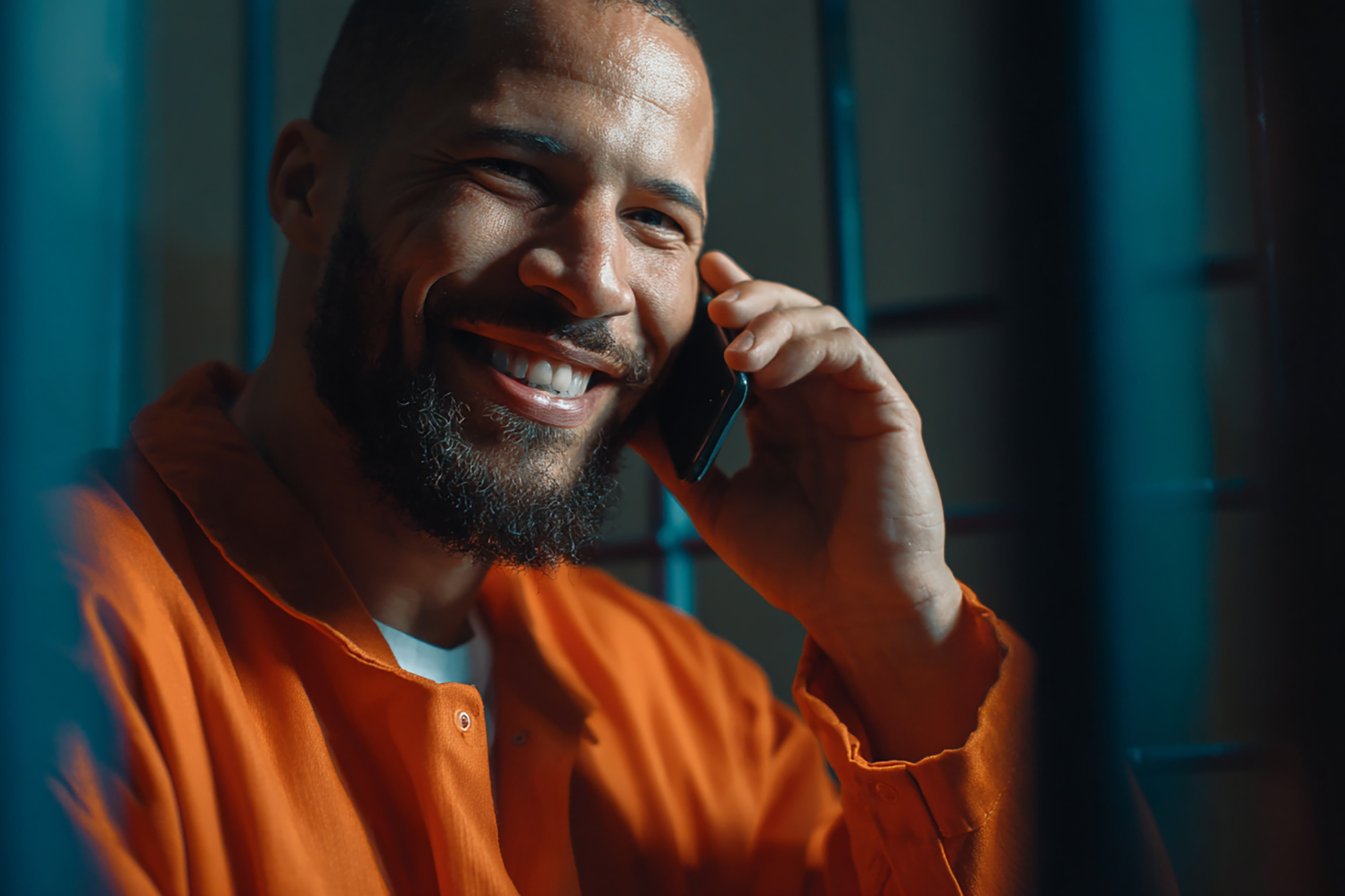
From a mental health perspective, connection is a powerful buffer against the psychological strain of prison life. Depression, anxiety, and even suicidal ideation are not uncommon in correctional facilities. Without emotional support from loved ones, these issues can worsen, sometimes with tragic consequences. Simple acts like receiving a letter or hearing a familiar voice on the phone can provide comfort, clarity, and strength during dark moments. Emotional stability gained through ongoing communication often leads to better decision-making, greater participation in rehabilitation programs, and a more hopeful outlook.
Unfortunately, systemic barriers often make communication difficult. The high cost of phone calls, restricted visitation schedules, and the limited availability of video conferencing or email options can all prevent incarcerated individuals from maintaining regular contact. Many prisons contract with private companies that charge exorbitant fees for basic communication services, placing an unfair burden on families—especially those already struggling financially. This economic barrier not only undermines the rehabilitative purpose of incarceration but also perpetuates cycles of poverty and disconnection.
Recognizing the profound benefits of communication, some advocacy groups and lawmakers are pushing for reforms. Efforts to reduce or eliminate fees for prison phone calls, expand access to digital messaging systems, and support family-friendly visitation policies are growing nationwide. These changes reflect a shift in perspective—one that views communication not as a privilege for inmates, but as a critical tool for healing, accountability, and societal reintegration.
It’s also important to recognize that communication is a two-way street. Families of incarcerated individuals face their own emotional burdens, including shame, stress, and uncertainty. Open lines of communication can help them heal, stay informed, and maintain a sense of control and closeness. For children, in particular, continued contact can preserve bonds that might otherwise be broken, reducing long-term emotional and behavioral issues. A child who hears from a parent regularly is more likely to feel loved, supported, and emotionally stable—despite the separation.
Communication is not just a soft sentiment or optional luxury—it is a fundamental human need, especially for those navigating the isolation of incarceration. It supports mental health, strengthens family bonds, reinforces personal responsibility, and dramatically reduces the likelihood of reoffending. As we continue to rethink the goals of the justice system and the path toward rehabilitation, fostering communication should be at the forefront of prison reform. A simple phone call, a heartfelt letter, or a warm visit can be the spark that ignites a person’s journey toward redemption and reintegration—benefiting not just the individual, but society as a whole.



Leave a comment