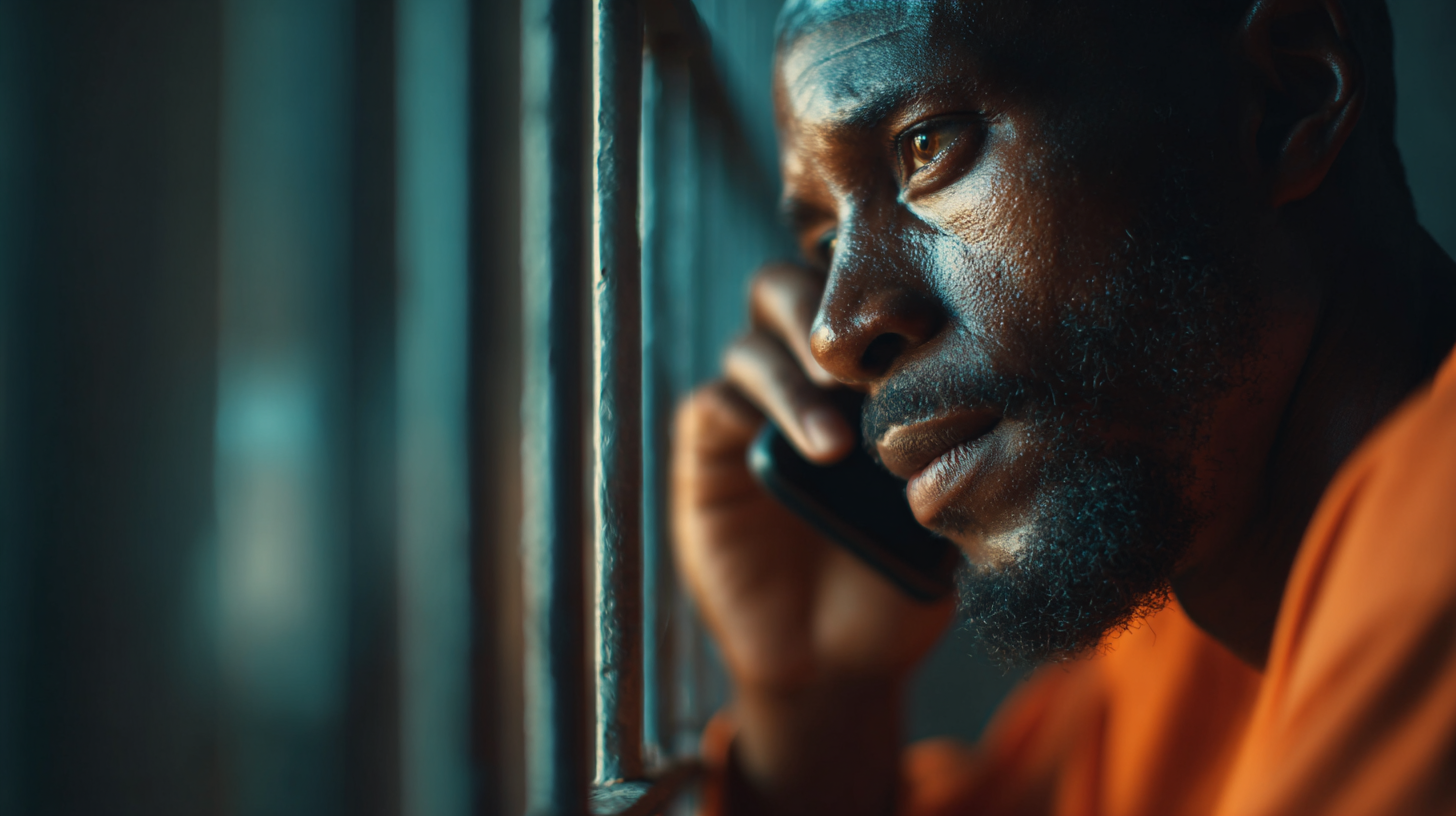
Staying Connected: The Lifeline of Love and Support During Incarceration
For individuals facing the hardships of incarceration, maintaining meaningful connections with loved ones is not just a comforting gesture—it is an essential element of emotional survival, rehabilitation, and eventual reintegration into society. Behind the physical barriers of prison walls, maintaining family ties and friendships offers hope, encouragement, and a continued sense of identity. These human connections act as a lifeline, helping individuals cope with the daily stresses of incarceration while preparing for a future beyond prison.
Incarceration is, by nature, an isolating experience. The loss of freedom is compounded by emotional distance from those who matter most—spouses, children, parents, and close friends. In such an environment, maintaining even small forms of connection can have a powerful psychological impact. Letters, phone calls, video chats, and in-person visits are not only opportunities to stay updated on life outside; they are affirmations that an incarcerated person is still remembered, valued, and cared for. This emotional reassurance contributes to improved mental health, reducing the risk of depression, anxiety, and hopelessness.
For many incarcerated individuals, maintaining contact with family serves as a crucial reminder of their roles and responsibilities beyond the prison walls. Parents, in particular, benefit from staying involved in their children’s lives. A mother or father who is able to call home regularly, send drawings or letters, or speak with their children during visits retains their sense of identity and responsibility as a parent. This connection encourages incarcerated individuals to engage in more positive behavior, such as enrolling in educational or vocational programs, and provides a powerful incentive for rehabilitation. In turn, children benefit from the continued relationship, feeling more secure and emotionally supported despite their parent’s physical absence.
Beyond family, staying in touch with friends and community members also plays a key role in promoting hope and resilience. Community ties can include faith-based groups, mentors, volunteers, or former teachers and counselors. These relationships offer encouragement and a sense of belonging, helping incarcerated individuals avoid feelings of abandonment or worthlessness. They also create a support system that may be essential after release. Knowing that someone believes in their potential can make a significant difference in an inmate’s outlook and decisions while incarcerated.
The benefits of these connections extend beyond emotional support—they can actively reduce the likelihood of reoffending. Research shows that individuals who maintain close contact with loved ones during incarceration are significantly less likely to return to prison. Communication with family and friends provides both emotional and practical motivation for change. It reinforces accountability, offers hope for a better future, and helps maintain a social safety net that can assist with housing, employment, and emotional support after release. Reentry into society is an incredibly difficult transition, but the presence of trusted, loving connections can ease that process and encourage long-term success.
Despite these clear benefits, there are often barriers that make communication difficult. High costs for phone calls, limited access to visitation, and strict rules about letter writing or video conferencing can prevent consistent contact between inmates and their families. In some cases, families may live far from the prison or lack the resources to travel. Others may struggle to afford the high fees charged by private prison phone companies. These financial and logistical challenges disproportionately affect low-income families and communities of color, widening the gap between inmates and their loved ones and increasing the emotional toll on everyone involved.
Recognizing the importance of communication, some advocates and policymakers have begun working to reduce or eliminate these barriers. Initiatives to make phone calls free or low-cost, expand visitation hours, and increase access to digital communication tools are gaining traction. These efforts are grounded in the understanding that supporting healthy relationships during incarceration benefits not only individuals, but families and communities at large.
The positive impact of communication is not one-sided. Families also benefit from staying connected to incarcerated loved ones. Spouses and partners can share emotional support, parents can maintain influence and involvement, and children are given a chance to nurture a bond with their incarcerated parent. These relationships may not look the same as they did before incarceration, but preserving them through consistent and heartfelt communication can foster healing, growth, and emotional resilience on both sides.
The importance of maintaining connections with loved ones during incarceration cannot be overstated. These relationships serve as powerful tools for healing, accountability, and hope. They humanize the experience of incarceration, reduce emotional harm, and significantly improve the chances of a successful return to society. When incarcerated individuals feel loved, supported, and remembered, they are more likely to believe in their own potential for change. That belief can be the foundation for a better future—not only for themselves, but for the people and communities waiting for them on the outside.