Communication Improves Post-Release Outcomes
Reintegration after incarceration is one of the most difficult transitions a person can face. Beyond the institutional walls lies a complex web of social, emotional, and economic challenges that test an individual’s capacity to rebuild a life. Among the many factors influencing successful reintegration—such as employment, housing, and mental health—relationships stand out as one of the most powerful yet often overlooked supports. Regular communication with loved ones during incarceration is not merely a matter of comfort or morale; it can fundamentally shape a person’s post-release trajectory, strengthening the social bonds and emotional resilience necessary to reduce recidivism and rebuild trust with the community.
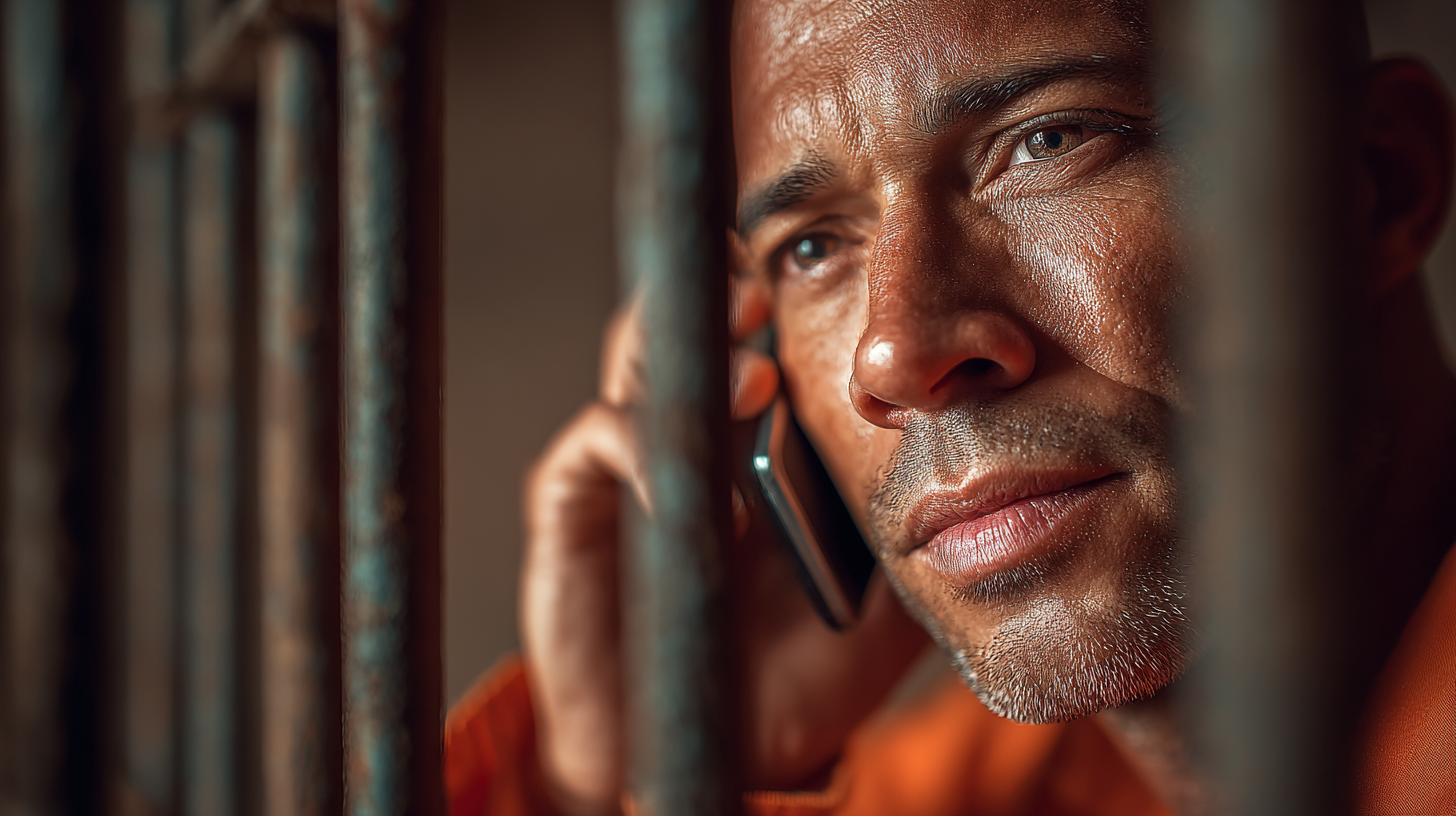
For individuals serving time in Canadian jails, maintaining regular contact with family and friends is often a lifeline to the outside world. In a setting defined by control, isolation, and rigid routines, a simple phone call can offer connection, affirmation, and hope. These conversations help remind incarcerated people that they are still part of a social network that values them as human beings rather than as statistics or cases. Studies conducted both in Canada and internationally have consistently shown that inmates who maintain family ties are significantly less likely to reoffend. The reason is clear: consistent communication helps sustain a sense of belonging and accountability that endures beyond release. It keeps individuals emotionally tethered to their loved ones and encourages them to envision a future in which they have a meaningful role.
Family contact also acts as a stabilizing force during incarceration itself. It gives people a reason to maintain good behavior, participate in rehabilitative programs, and plan for the future. For parents, especially, the ability to call home and speak with children can reinforce a sense of purpose and responsibility. Those brief moments of connection may inspire long-term commitments to positive change. The knowledge that their family is waiting and rooting for them can motivate individuals to engage more earnestly with educational, vocational, or therapeutic programs that support their reintegration. The positive feedback loop between communication, motivation, and rehabilitation is one of the most tangible ways to prevent reoffending and promote self-worth.
However, this process depends heavily on accessibility. In Canada, the cost and logistics of phone communication in correctional facilities can create barriers that undermine the very outcomes policymakers hope to achieve. Many inmates come from low-income families who struggle to afford the per-minute charges imposed by private communication providers. Calls are often limited in time and frequency, and restrictions on who can be contacted can further isolate inmates from key sources of support. These conditions can weaken relationships and make reintegration more difficult. If contact is sporadic or financially burdensome, both inmates and their loved ones may feel frustration and emotional fatigue, leading to strained relationships that do not easily recover once release occurs.
When inmates do maintain consistent contact, the benefits ripple far beyond the individual. Families who stay connected through regular communication are better prepared for the adjustments that come after release. They have the chance to talk through expectations, express fears, and rebuild trust gradually rather than abruptly upon release. For children, this continuity helps preserve a sense of emotional stability and understanding. For spouses or partners, it allows gradual healing of trust and redefinition of roles. Communication lays the groundwork for reintegration to happen within a framework of mutual understanding rather than shock or resentment.
From a community perspective, the advantages are just as significant. Reintegration supported by stable relationships leads to better social outcomes—reduced recidivism, less dependence on public services, and improved mental health. Communities benefit when formerly incarcerated individuals return home with strong support systems and a renewed sense of belonging. The emotional safety net provided by family and friends can help buffer against the stigma and discrimination that often accompany a criminal record. Regular communication, therefore, serves not only as an emotional bridge but as a form of social infrastructure that strengthens the broader fabric of rehabilitation and community safety.
Technology and policy reform have the potential to enhance these outcomes further. Secure video calls, monitored messaging platforms, and low-cost phone programs could make communication more accessible while maintaining safety and oversight. Some Canadian provinces have begun exploring ways to modernize inmate communication, recognizing that connection is a key component of rehabilitation rather than a privilege. Implementing more equitable and affordable communication systems could transform reintegration outcomes nationwide. These innovations would reflect a growing awareness that punishment alone cannot produce public safety—support, communication, and trust can.
Ultimately, reintegration is not a solitary act. It is a shared process between individuals, families, and communities. Regular communication during incarceration serves as the thread that weaves these elements together, transforming isolation into preparation, and punishment into growth. By ensuring that incarcerated people have the ability to maintain meaningful contact, society invests not only in their rehabilitation but in safer, more compassionate communities. In the end, every call made from behind bars is more than a conversation—it is a quiet step toward belonging, recovery, and renewal.