Communication Helps Incarcerated Individuals Cope With Seasonal Affective Disorder
Seasonal Affective Disorder (S.A.D.) is a form of depression that follows a seasonal pattern, most commonly intensifying during the fall and winter months when daylight decreases. For incarcerated individuals, the effects of S.A.D. can be especially severe. Limited access to natural light, rigid daily routines, prolonged indoor confinement, and separation from loved ones can intensify feelings of sadness, fatigue, withdrawal, and hopelessness. In this environment, communication with family and friends becomes not just emotionally supportive, but psychologically protective.
Incarceration already places individuals at a higher risk for depression and anxiety. When winter arrives, the emotional strain often deepens. Shorter days and reduced exposure to sunlight can disrupt circadian rhythms and serotonin levels, contributing to low mood and lethargy. Unlike those in the outside world, incarcerated people cannot easily compensate with outdoor activity, flexible routines, or changes in environment. As a result, emotional connection through communication becomes one of the few available tools to counteract seasonal decline in mental health.
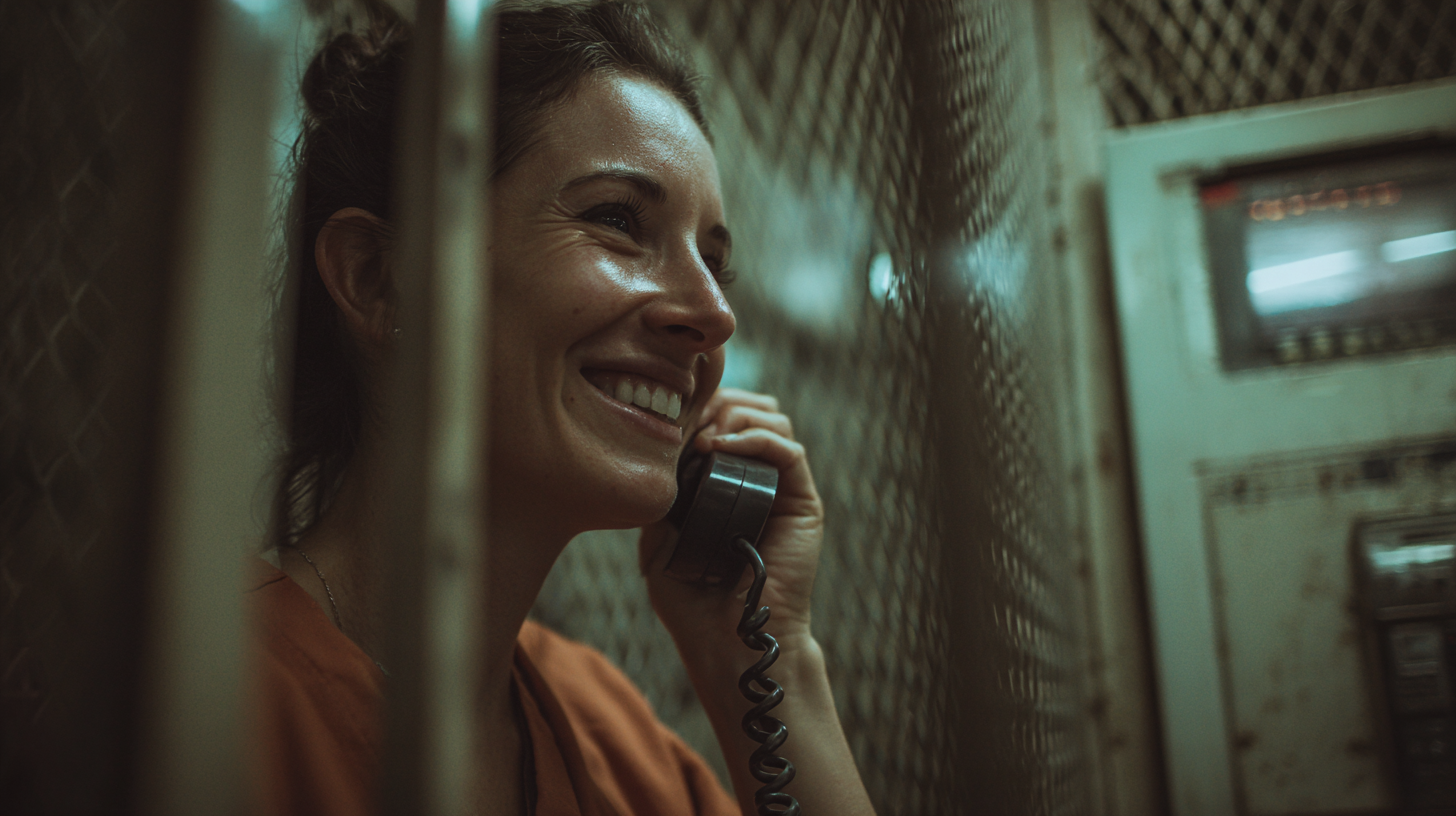
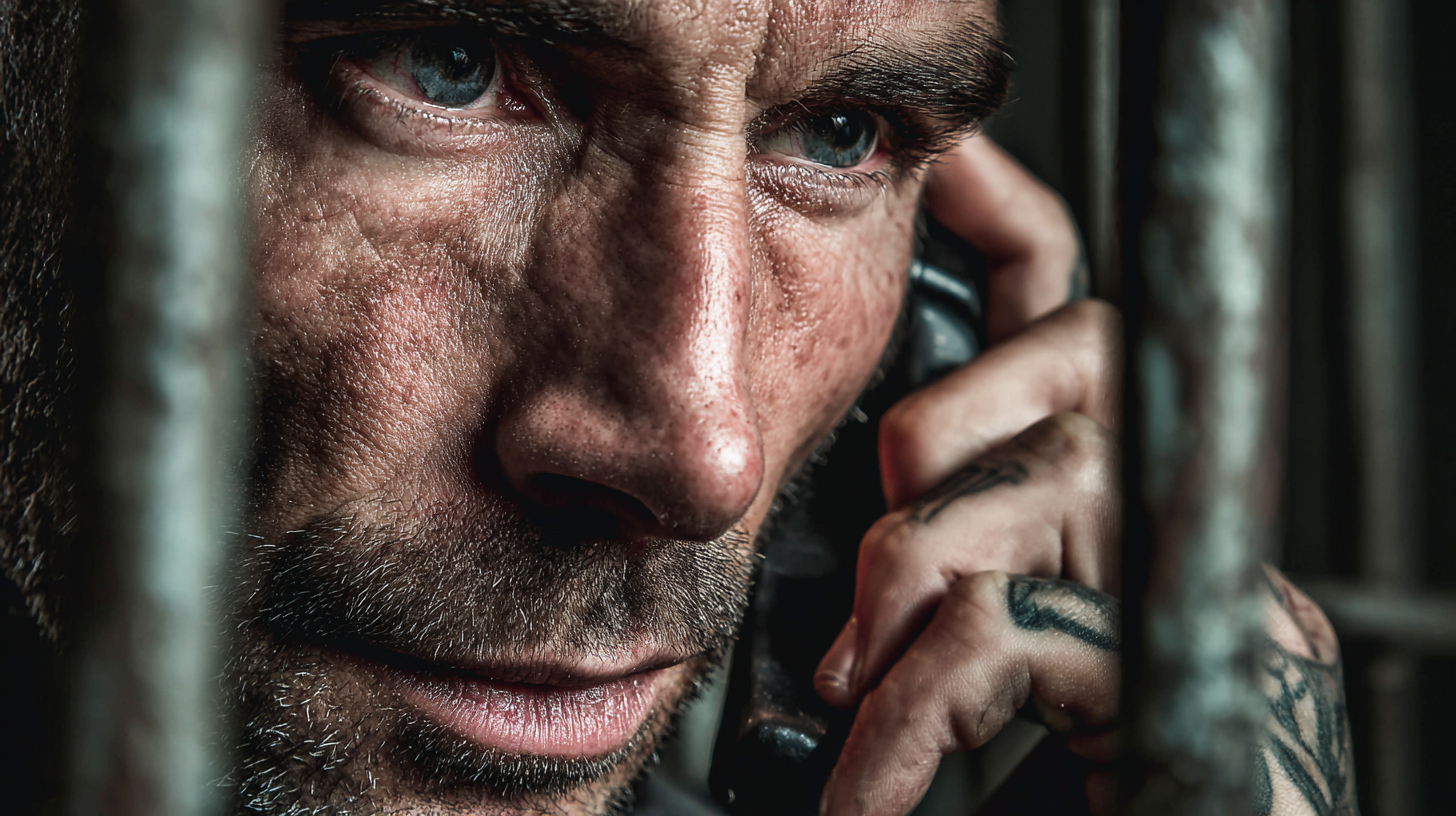
Isolation is one of the most damaging aspects of incarceration, and S.A.D. often magnifies this isolation. During depressive periods, individuals may feel disconnected not only from others but from themselves. Regular communication with family and friends helps break through this emotional numbness. A phone call, letter, or visit serves as a reminder that the incarcerated person is still part of a living network of relationships. This sense of belonging can significantly reduce feelings of loneliness, which are a core component of both depression and S.A.D.
Communication also provides emotional regulation. Incarcerated individuals often have limited opportunities to safely express vulnerability. Conversations with trusted loved ones allow space to talk about low mood, exhaustion, irritability, or despair without fear of judgment or institutional consequences. Being able to name emotions and feel understood helps reduce internal pressure and emotional overload. Even brief expressions of care—such as words of encouragement or shared memories—can provide emotional grounding during the darkest months.
Maintaining contact with family and friends also helps preserve identity. Prison environments tend to reduce individuals to numbers, routines, and rules. Seasonal depression can further erode a sense of self-worth. Communication reconnects incarcerated people to roles beyond incarceration—parent, sibling, partner, child, or friend. These identities are protective factors against depression, reinforcing the idea that a person’s life still has meaning, connection, and value despite physical confinement.
Routine communication is particularly beneficial for managing S.A.D. symptoms. Scheduled phone calls, regular letter exchanges, or consistent visitation patterns provide structure and anticipation. For individuals experiencing seasonal depression, having something to look forward to can be a powerful motivator. These moments of connection punctuate long, monotonous days and help create emotional landmarks in time, which is especially important in environments where days can otherwise blur together.
Family and friends also play a critical role in encouragement and emotional monitoring. Loved ones may notice shifts in tone, energy, or engagement that signal worsening depressive symptoms. Their concern and encouragement can prompt incarcerated individuals to access available mental health resources, engage in programming, or simply remain emotionally present rather than withdrawing completely. Feeling noticed and cared for can counter the sense of invisibility that often accompanies both incarceration and S.A.D.
Importantly, communication offers hope. Seasonal depression can distort thinking, making the future feel bleak and unchanging. Conversations with loved ones help reintroduce perspective—reminding incarcerated individuals that seasons change, that time moves forward, and that their lives still have chapters yet to be written. Hope does not require false optimism; it grows from being reminded that one’s existence matters to someone else.
The benefits of communication extend beyond the incarcerated individual. Families and friends who maintain contact often experience greater understanding, empathy, and emotional connection, even across separation. These relationships become lifelines on both sides, strengthening resilience and sustaining bonds that can support reintegration and healing over time.
For incarcerated individuals facing the compounded challenges of confinement and Seasonal Affective Disorder, communication with family and friends is more than comfort—it is care. It alleviates isolation, stabilizes mood, reinforces identity, and offers light in seasons of darkness. In a setting where choice is limited and freedom constrained, human connection remains one of the most powerful tools for emotional survival and mental well-being.