

Communication From Within the Walls of a Prison
The Lifeline of Connection and the Role of Telephone Access
Inside the rigid and often dehumanizing environment of a prison, communication becomes more than a means of expression—it becomes a lifeline. For incarcerated individuals, the ability to communicate effectively and meaningfully can be the difference between emotional survival and psychological isolation. While freedom of movement is lost, the desire to connect, share, listen, and be heard does not diminish. Instead, it intensifies. Communication within the walls of a prison plays a vital role in shaping the culture, behavior, emotional well-being, and rehabilitation prospects of those who are incarcerated. Whether through interpersonal interactions, structured programs, or external contact via telephone, communication is a central pillar of prison life.
Within the prison population, interpersonal communication—often between inmates themselves—serves multiple purposes. In an environment governed by strict routines and enforced hierarchy, inmates must learn quickly how to interpret social cues, maintain boundaries, and interact in ways that ensure both respect and self-preservation. For many, navigating this intricate system of spoken and unspoken rules is a matter of safety. Conversations among inmates may be casual, such as sharing stories during meals or recreation, or more strategic, such as exchanging information about legal matters, resources, or institutional rules. Though some peer interactions can reinforce negative behaviors, others are deeply supportive. Peer mentoring, informal emotional support, and group-led rehabilitation efforts are all examples of how communication can serve as a powerful tool for growth and solidarity.
Staff-inmate communication is equally central to prison dynamics. Correctional officers and staff are authority figures, but they also act as gatekeepers to services, programs, and basic needs. When communication is respectful and consistent, it can foster a more stable and less adversarial atmosphere. Inmates are more likely to comply with rules and engage in positive behavior when they feel their voices are heard and their concerns are addressed. On the other hand, when communication is dismissive, punitive, or inconsistent, tensions escalate and trust erodes. A prison environment where dialogue is replaced by command and control increases the risk of unrest and undermines any rehabilitative goals.
Therapeutic communication within prisons is particularly impactful. Psychologists, social workers, and chaplains often provide the only outlet for inmates to express deep emotional pain, trauma, or confusion. These conversations, grounded in confidentiality and empathy, allow incarcerated individuals to confront their past, understand their behaviors, and imagine a different future. Whether in one-on-one counseling, group therapy, or spiritual guidance, therapeutic communication helps inmates rebuild their sense of identity and worth. For many, it is the first time they are truly listened to without judgment or interruption—a powerful experience that can plant the seeds of personal transformation.
Education and rehabilitation programs also create structured spaces for communication. In classrooms or vocational training programs, inmates participate in discussions that encourage critical thinking, problem-solving, and respectful dialogue. These interactions not only build skills that will be useful after release, but they also model constructive communication styles that many inmates may have never encountered before. Learning how to express disagreement respectfully, give feedback, or work collaboratively is as valuable as any diploma or certificate earned. Furthermore, these programs reduce the monotony of prison life and give participants a sense of progress and purpose.
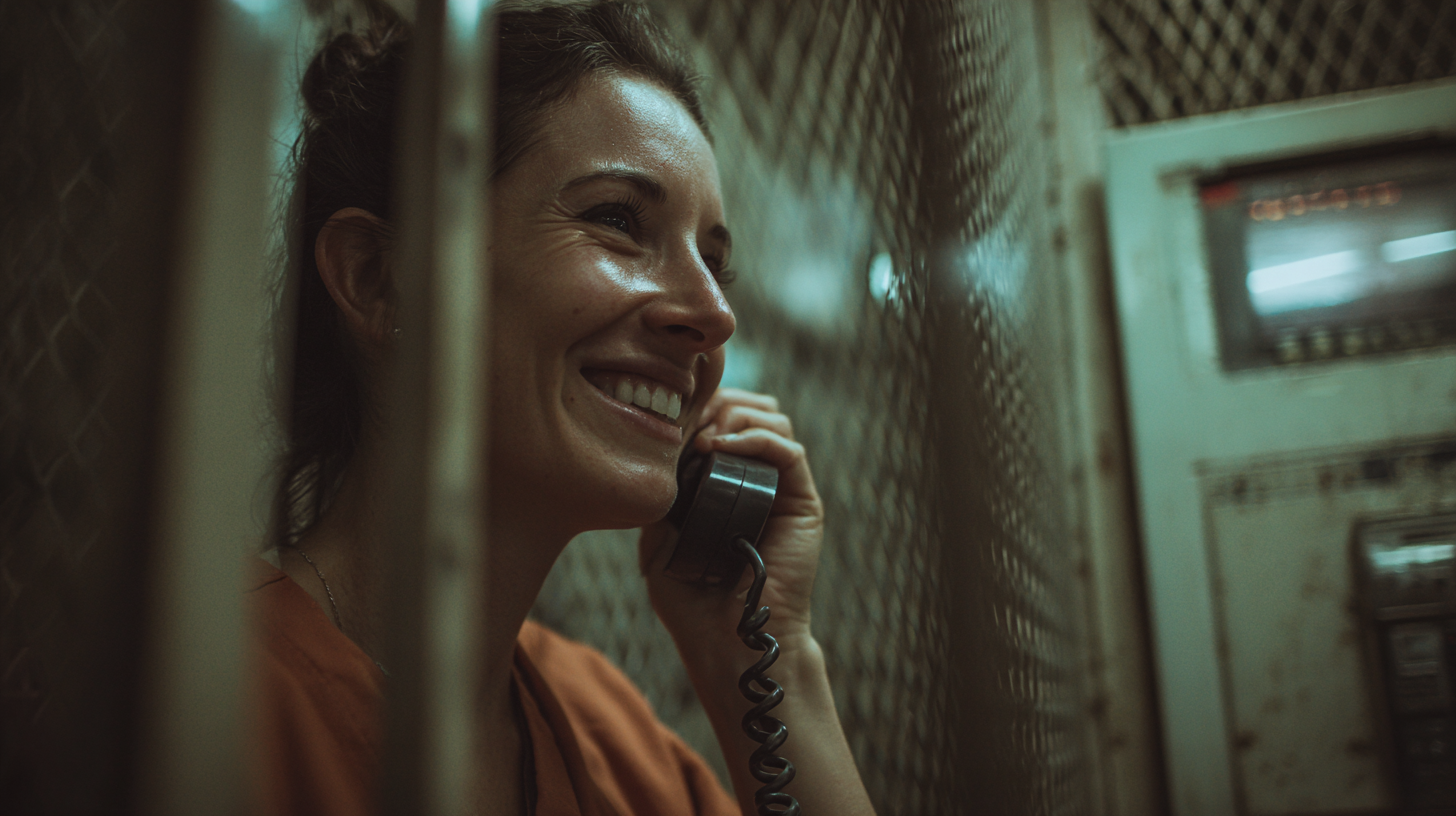
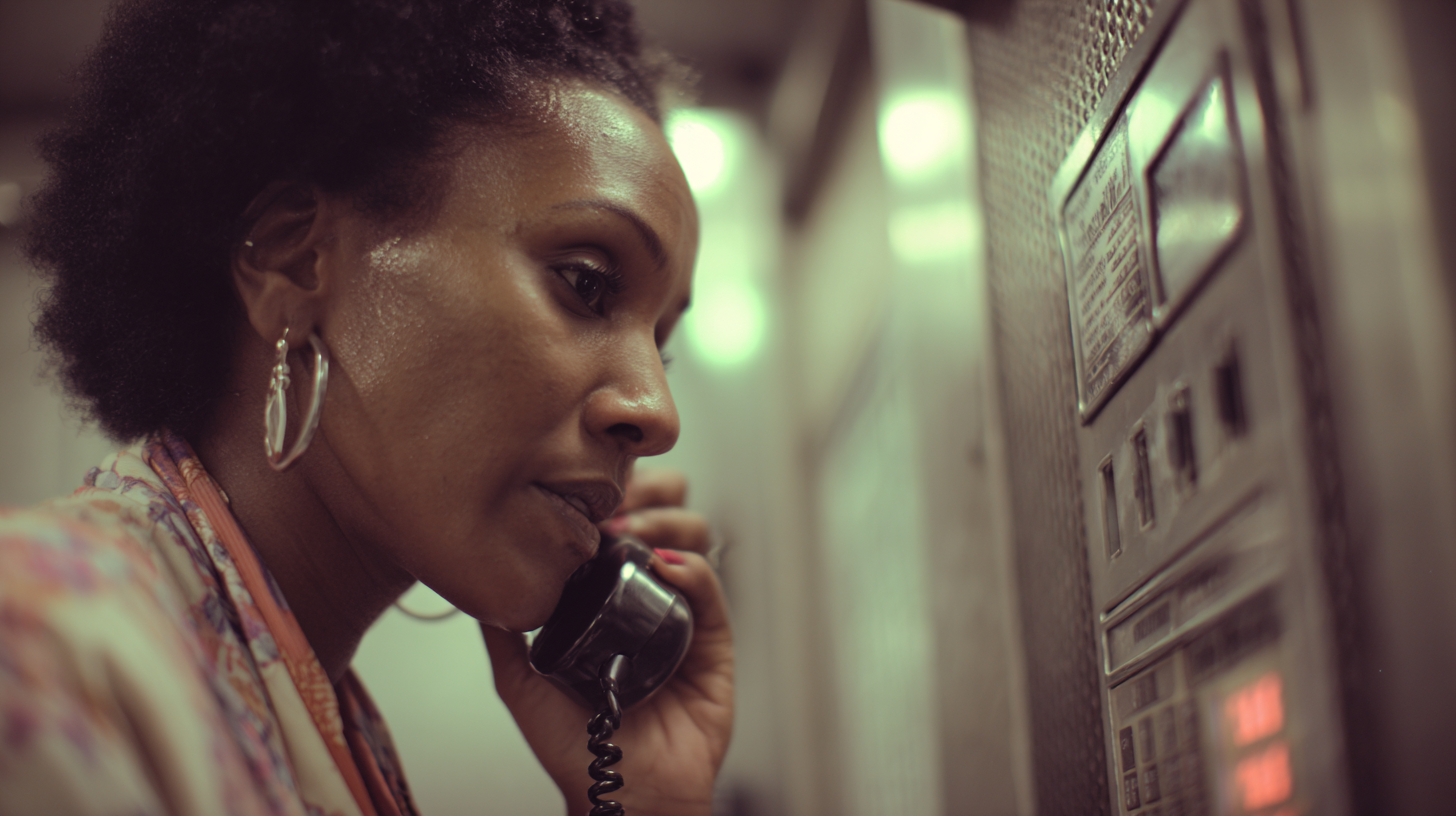
Yet despite the internal opportunities for communication, one of the most significant forms of connection comes from beyond the prison walls: telephone conversations with loved ones. Access to telephones is more than a convenience—it is an emotional, psychological, and social necessity. The voices of children, spouses, parents, or friends on the other end of the line can rekindle hope, reaffirm identity, and offer a sense of continuity in an otherwise disjointed life. For many incarcerated individuals, phone calls are the only consistent contact they have with the outside world. Visits may be infrequent or impossible due to distance, cost, or institutional restrictions. Letters, while meaningful, cannot match the immediacy of hearing a loved one’s voice. In this way, telephone access becomes one of the few remaining threads that connect inmates to the world they left behind.
Good telephone access—meaning affordable, regular, private, and reliable communication—has measurable benefits. Emotionally, it helps reduce feelings of isolation and abandonment. When inmates can speak regularly with loved ones, they are reminded that they still matter, that they are still part of a family, and that their life has value beyond their current circumstances. Psychologically, these calls can act as a buffer against the depression, anxiety, and despair that often accompany incarceration. For parents, regular phone conversations with their children help maintain their role and responsibilities, even from a distance. This connection can be a strong motivator for good behavior and self-improvement.
Moreover, maintaining family ties through phone calls supports rehabilitation and reduces recidivism. Research has consistently shown that inmates who maintain strong family connections while incarcerated are more likely to successfully reintegrate into society upon release. These bonds provide emotional support, housing options, employment opportunities, and accountability—all key factors in post-incarceration success. Communication via phone helps sustain these relationships during the sentence, keeping them alive and functional. Without that access, relationships often deteriorate, and the individual faces release into a world where they feel alone and unsupported.
However, in many correctional facilities, phone access is still limited by cost, availability, or restrictive policies. High call rates make it difficult for families—especially those in low-income households—to afford regular communication. Limited phone availability can mean long wait times or rushed conversations. In some cases, calls are overly monitored or lack privacy, which discourages open and meaningful dialogue. These barriers, while often implemented for security or administrative reasons, ultimately hinder one of the most effective rehabilitative tools available.
To maximize the benefits of communication within prisons, especially through telephone access, correctional policies need to evolve. Reducing the cost of calls, increasing access to phones, and ensuring privacy where appropriate can significantly improve the quality of inmate communication. Technology can also play a role, with secure video calling and messaging platforms offering additional ways to maintain contact. Investing in these forms of communication is not just a matter of compassion—it is a matter of public safety. An inmate who remains connected to a network of support is far more likely to return to society as a stable, contributing citizen.
Communication within the walls of a prison is multifaceted, essential, and deeply human. It shapes daily life, influences mental health, and forms the basis of rehabilitation. From the whispered conversations among cellmates to the structured dialogue of classrooms and counseling sessions, every exchange carries weight. Yet among all these forms, telephone communication with loved ones stands out as one of the most impactful. Good phone access fosters connection, reduces recidivism, and preserves the humanity of those who are incarcerated. In a place defined by restriction, the simple act of a phone call can offer something profound: the reminder that someone still cares, that change is still possible, and that even behind walls, a life of connection can still be nurtured.


Leave a comment