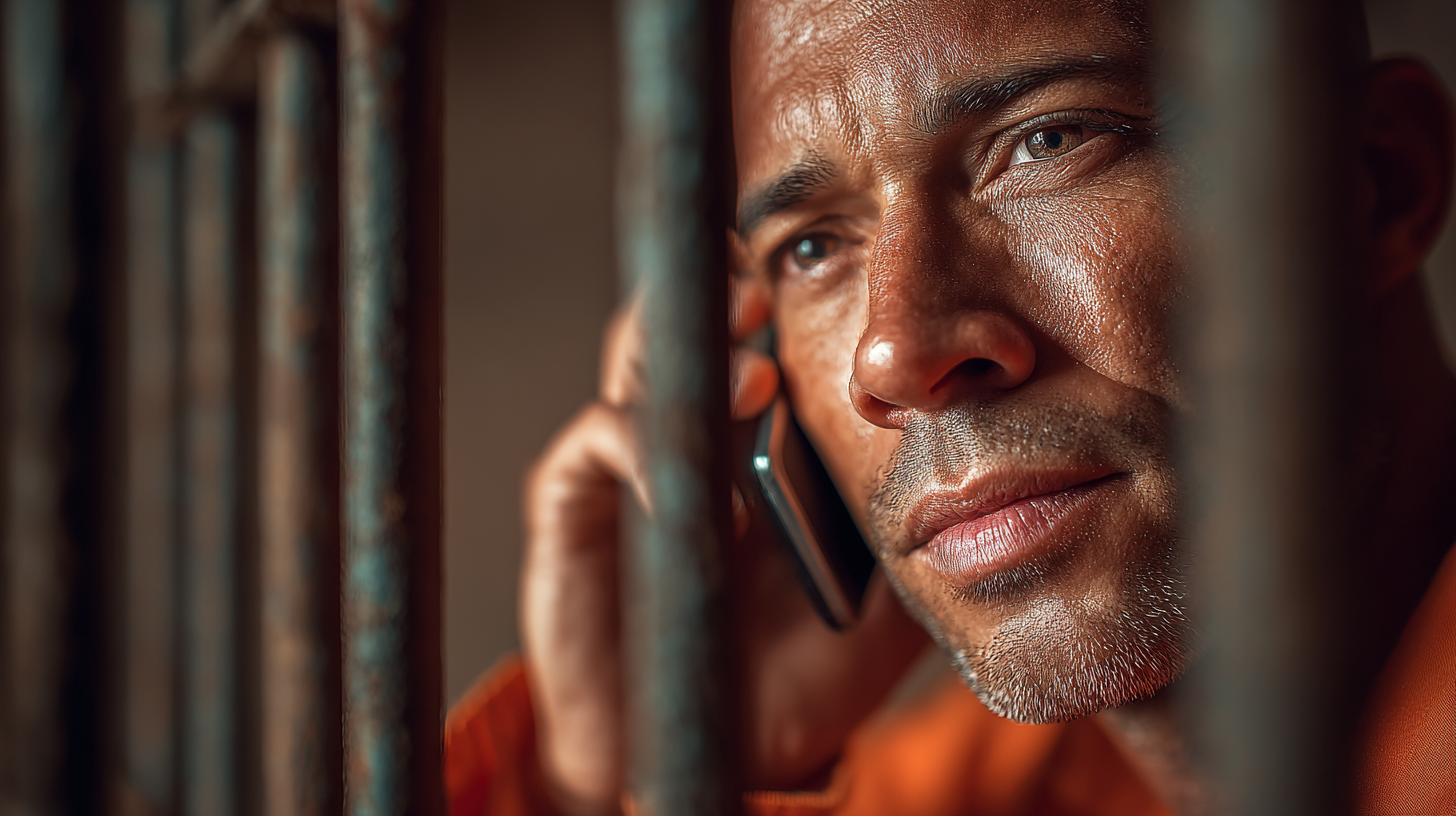
Audio, Video or In-Person: Communicating With Clients in Ontario Correctional Facilities
Effective communication between a lawyer and an incarcerated client is essential to legal representation. A lawyer may need to obtain instructions, discuss evidence, prepare for a court appearance, explain a plea or simply answer questions from a client who may be experiencing one of the most stressful periods of their life.
When a client is being held in an Ontario correctional facility, however, communication is not always as straightforward as calling someone at home or arranging a meeting at the lawyer’s office.
Legal representatives may have access to clients through in-person visits, audio communication and video communication, subject to the procedures and security requirements of the institution. Each method has advantages, but each can also present practical challenges.
In-Person Meetings
For many lawyers, meeting face-to-face remains an important way to communicate with an incarcerated client.
An in-person meeting can be particularly valuable when discussing complicated evidence, preparing testimony or having sensitive conversations. Being in the same location can also make it easier for a lawyer to assess whether the client understands the information being discussed.
But in-person meetings require time.
Depending on where the institution is located, a lawyer may spend considerable time travelling to and from the facility. There may also be scheduling, security and institutional procedures to navigate.
For a lawyer handling multiple incarcerated clients, transportation and waiting time can quickly become significant.
Video Communication
Video provides an important alternative when an in-person meeting is unnecessary or impractical.
The ability to see one another provides some of the advantages of a face-to-face conversation without requiring the lawyer to travel to the correctional facility.
Video can be particularly useful for longer discussions, case preparation and situations where visual interaction helps communication.
However, video access depends on institutional procedures, available technology and scheduling. A lawyer cannot necessarily assume that a video meeting will be available exactly when it is needed.
Technology can also introduce complications. Poor connections, equipment problems or scheduling delays can interfere with what should otherwise be a productive meeting.
Telephone Communication
Sometimes the simplest communication method remains the telephone.
A telephone conversation can allow a lawyer to answer a question, provide an update or receive instructions without arranging transportation or a video session.
Federal correctional policy also provides for confidential telephone communication with legal counsel, subject to applicable rules and procedures.
For lawyers, telephone accessibility can therefore be an important component of maintaining regular contact with clients.
But there is another consideration that can easily be overlooked: the client may be responsible for initiating the call, and the economics of making repeated calls can matter.
An incarcerated client may need to speak with counsel several times during the progression of a case. One conversation may lead to another question. New information may emerge. Court dates may change. Instructions may need clarification.
The cost of those conversations can accumulate.
When the Cost of Calling Becomes a Barrier
For someone outside a correctional institution, making another telephone call may seem insignificant. For an incarcerated person with limited financial resources, it may not be.
This raises an important question:
What happens when an incarcerated client needs to speak with their lawyer but is worried about the cost of making the call?
Communication should not become unnecessarily difficult simply because repeated telephone conversations are expensive.
Law firms representing incarcerated clients should therefore understand how calls from correctional institutions reach their offices and what costs or technological restrictions may be involved.
They should also consider practical issues such as whether calls can reach reception staff, whether particular telephone numbers must be approved and whether the firm’s telephone configuration creates difficulties receiving calls from correctional facilities.
Choosing the Right Communication Method
There is no single communication method that will be appropriate for every situation.
A complicated case conference might warrant an in-person meeting. A discussion involving substantial documentation may be better suited to video. A quick update or request for instructions may be handled efficiently by telephone.
The most effective approach may be to use all three strategically.
Lawyers should also remember that communication has two dimensions: accessibility and affordability.
It is not enough for a communication channel to technically exist. The incarcerated client must realistically be able to use it.
When telephone communication is economical, accessible and reliable, lawyers and their incarcerated clients have another practical way to remain connected between court appearances and formal meetings.
For someone in custody, access to their lawyer can provide information, reassurance and an opportunity to participate meaningfully in their own defence.
Whether that conversation takes place across a table, through a video screen or over a telephone, the objective remains the same:
The client needs a dependable way to communicate with the person representing them.