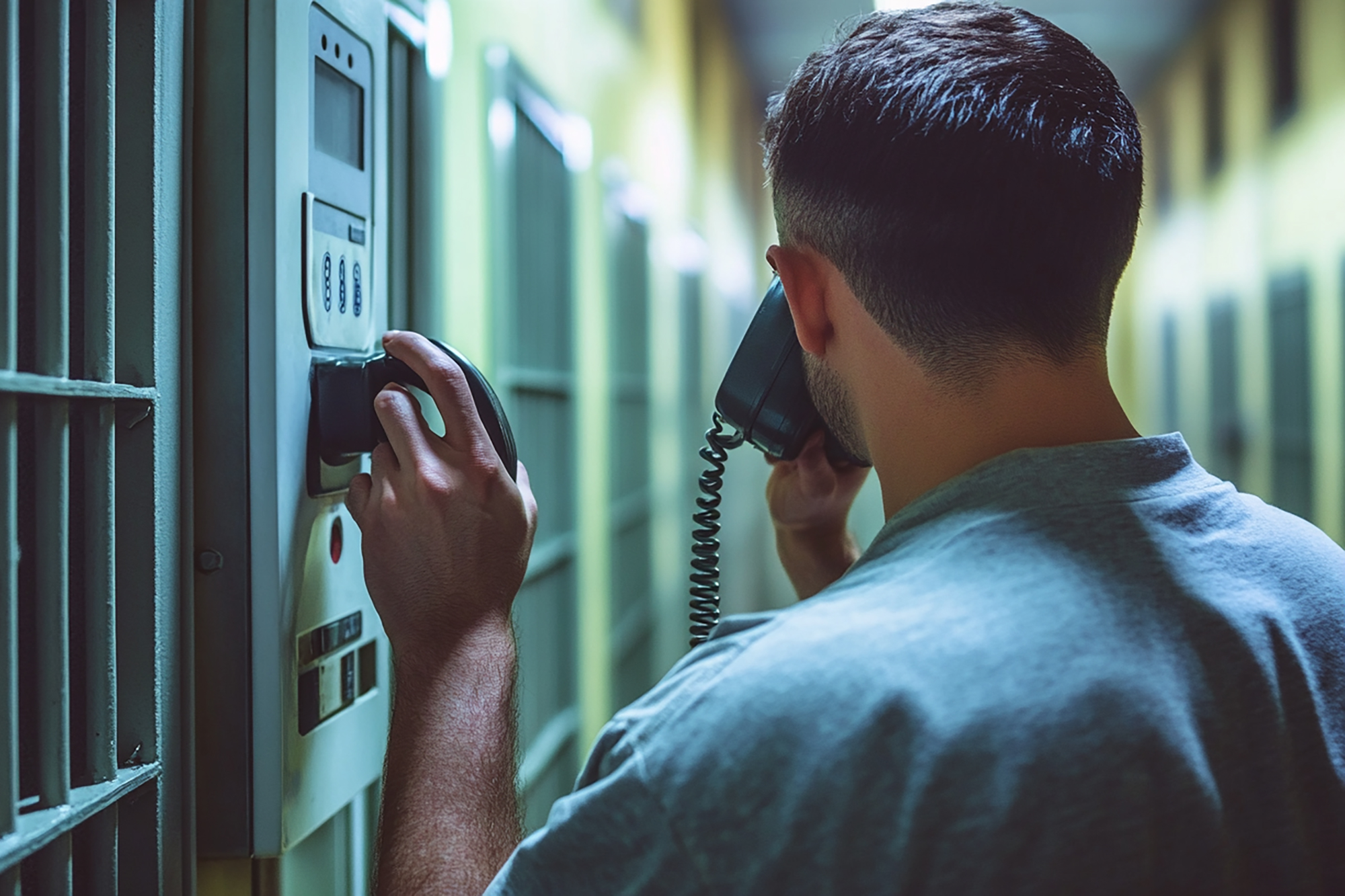
Thanksgiving Behind Bars
Why Communication Matters for Inmates and Their Families
Thanksgiving is a holiday rooted in connection, gratitude, and togetherness. It is a time when families gather around a table, share stories, and reflect on what they are thankful for. For incarcerated individuals, however, Thanksgiving often highlights absence rather than abundance. While the outside world celebrates unity, inmates experience the holiday within the confines of separation, routine, and silence. In this context, communication becomes not just meaningful, but essential to emotional well-being, family stability, and rehabilitation.
Incarceration already creates physical and emotional distance from loved ones, but Thanksgiving intensifies that divide. Memories of past family meals, familiar traditions, and shared rituals can surface powerfully during this holiday. Without the ability to connect through a phone call, visit, or message, those memories can transform into grief, loneliness, and a deep sense of loss. Communication serves as a bridge between the inmate’s present reality and their identity beyond prison walls—parent, child, sibling, or partner. When that bridge is weakened or unavailable, the emotional impact can be significant.
Mental health challenges often increase during Thanksgiving for inmates who lack communication. Feelings of isolation, depression, and anxiety are common, especially for individuals serving long sentences or those who have strained family relationships. A brief phone call or message during Thanksgiving can provide reassurance that they are not forgotten. It affirms their humanity and reminds them that they still matter to someone outside the institution. Without that reassurance, hopelessness can take hold, affecting mood, behavior, and overall mental stability.
Thanksgiving communication is particularly important for incarcerated parents. For children, the holiday is deeply emotional, centered on family presence and shared experiences. When communication does not happen, children may feel abandoned or confused, while parents experience guilt and helplessness. Even a short conversation allows parents to express love, offer encouragement, and remain emotionally present in their children’s lives. These moments help preserve bonds that are critical for healthy reunification after release and for children’s emotional development.
Beyond emotional connection, communication during Thanksgiving plays a role in rehabilitation and long-term outcomes. Inmates who maintain family ties are more likely to comply with institutional rules, participate in educational and vocational programs, and plan constructively for reentry. Thanksgiving conversations often revolve around hopes, goals, and future plans, reinforcing a sense of purpose. When individuals feel supported and connected, they are more likely to invest in positive change. In contrast, isolation can foster resentment, disengagement, and a diminished belief in life beyond incarceration.
Despite its importance, Thanksgiving communication is often limited by systemic barriers. Holiday staffing shortages can reduce phone access or visiting hours. High call costs place a financial burden on families already struggling, forcing many to choose between basic needs and staying connected. Distance from correctional facilities, inflexible schedules, and strict communication rules further restrict contact. These barriers disproportionately affect low-income families, making Thanksgiving silence not a choice, but an imposed reality.
Correctional institutions sometimes offer special Thanksgiving meals or programming, but without meaningful communication, these efforts can feel hollow. Gratitude is difficult to cultivate in isolation. True acknowledgment of the holiday’s spirit requires recognizing the role of human connection in dignity and healing. When institutions facilitate communication—through extended calling hours, reduced call fees, or alternative options like video messages—they support not only inmates, but also families and communities.
Thanksgiving also offers an opportunity for reflection and growth. For inmates, communication can help reframe the holiday from one of loss to one of gratitude. A conversation may focus on appreciation for continued support, motivation to improve, or hope for the future. These moments of reflection can be powerful, reinforcing accountability while nurturing optimism. Gratitude, when shared, becomes a tool for resilience rather than a reminder of deprivation.
Ultimately, Thanksgiving communication for inmates is about more than a holiday call. It is about preserving relationships, supporting mental health, and reinforcing the idea that incarceration does not erase personhood. When inmates are allowed to remain connected during meaningful moments, they are better positioned to return to society as healthier, more grounded individuals. In a season defined by thankfulness, ensuring communication for those behind bars honors not only the spirit of the holiday, but the shared humanity that binds us all.