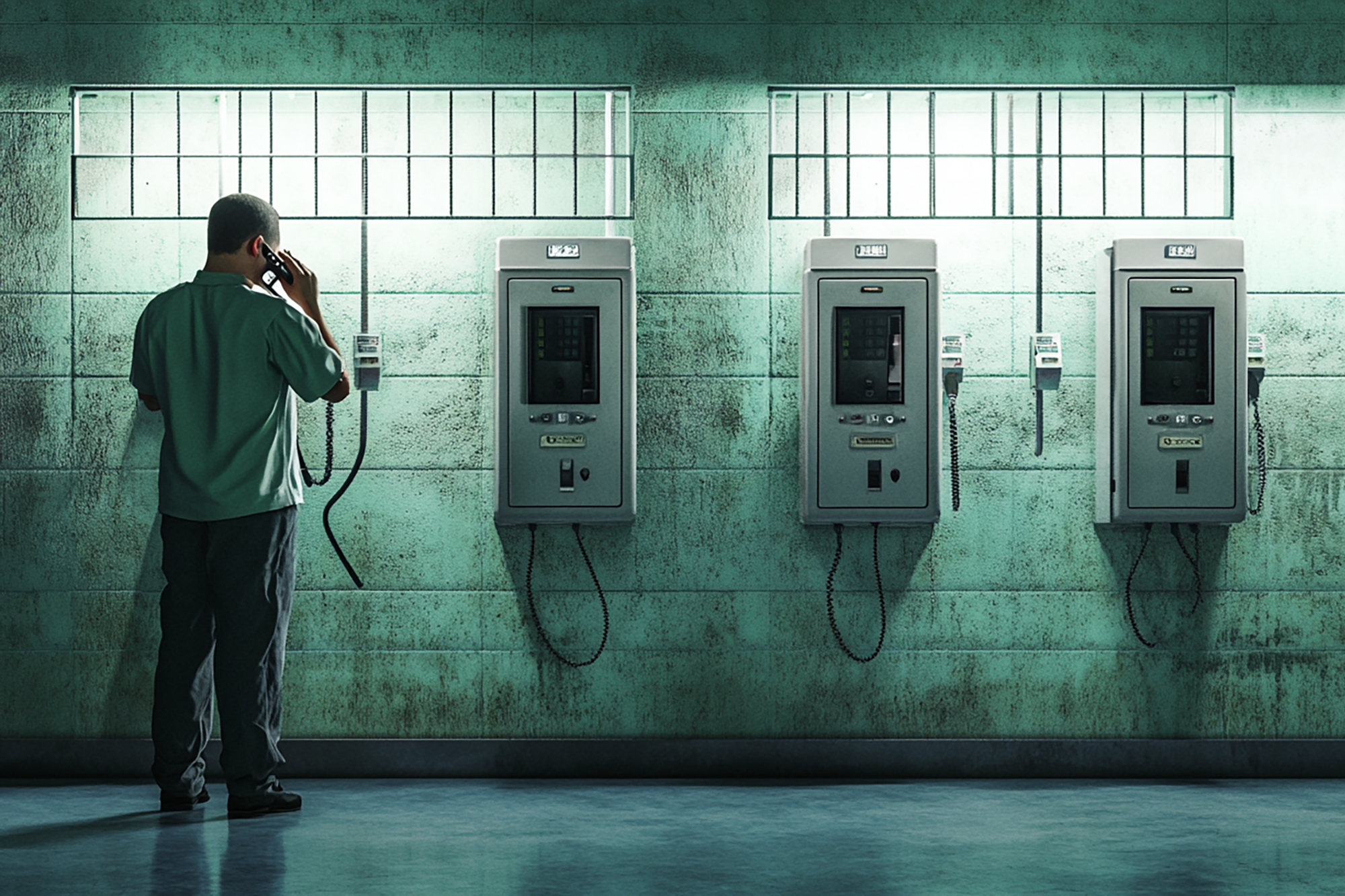
Silence Behind the Walls
The Impact of Limited Communication on Inmates During the Holidays
The holiday season is widely associated with connection—shared meals, family traditions, and moments of reflection spent with loved ones. For incarcerated individuals, however, this time of year often magnifies isolation. When communication with the outside world is limited or cut off, the emotional toll can be profound. The absence of phone calls, visits, or messages during the holidays does more than create temporary sadness; it can deeply affect mental health, behavior, and long-term rehabilitation outcomes.
Holidays intensify feelings that already exist within correctional settings. Incarceration is inherently isolating, but during festive periods, reminders of what inmates are missing become unavoidable. Decorations, special meals, or holiday programming—though often well intentioned—can trigger grief rather than comfort when they underscore separation from family. Without communication from loved ones, inmates may experience heightened loneliness, depression, and anxiety. For many, the silence reinforces feelings of abandonment or worthlessness, particularly for those whose family ties were fragile even before incarceration.
Mental health challenges are especially acute during the holidays. Studies and correctional reports consistently note increases in emotional distress, self-harm ideation, and disciplinary incidents during this period. Communication with family acts as a stabilizing force; it affirms identity beyond the inmate number and reminds individuals that they are still valued members of a community. When that lifeline is absent, coping mechanisms weaken. Inmates may withdraw socially, struggle to regulate emotions, or turn to unhealthy behaviors as a means of escape from emotional pain.
The lack of communication also affects family relationships in lasting ways. Holidays are symbolic touchpoints in family life, especially for children. When calls or visits do not happen, children may internalize the absence as rejection, while incarcerated parents may experience intense guilt and helplessness. Over time, missed connections can erode trust and emotional bonds, making reunification after release more difficult. Maintaining consistent contact—even brief conversations—helps preserve relational continuity and reassures families that connection can endure despite physical separation.
Beyond emotional well-being, communication during the holidays has implications for rehabilitation and reintegration. Inmates who maintain strong family ties are more likely to engage in educational programs, comply with institutional rules, and plan constructively for life after release. Conversely, isolation can foster hopelessness, a state that undermines motivation to participate in rehabilitative efforts. When individuals feel they have nothing to return to, the incentive to change diminishes, increasing the risk of recidivism.
Barriers to holiday communication are often systemic rather than personal. Increased call costs, limited phone availability, restricted visitation schedules, and staffing shortages during holidays all contribute to reduced contact. For families already facing financial strain, the added expense of holiday calls can be prohibitive. These obstacles disproportionately affect low-income families and those living far from correctional facilities, compounding inequities and reinforcing cycles of disconnection.
Addressing the impact of holiday communication gaps requires intentional policy and practice. Expanding access to affordable phone and video calls, increasing visiting hours around holidays, and providing alternative forms of connection—such as recorded messages or digital letters—can make a meaningful difference. Equally important is recognizing communication as a human need, not a privilege. Facilitating contact supports not only inmates but also families and communities awaiting their return.
The holidays have the power to heal, but they can also deepen wounds when connection is denied. For incarcerated individuals, a simple phone call or message can be a lifeline—one that affirms dignity, sustains hope, and strengthens the bridge between confinement and the possibility of a better future.