Disconnected Behind Bars: The Human Cost and Rationale of Phone Restrictions in Prison
Access to communication is one of the most vital aspects of human connection, yet for incarcerated people, the ability to stay in touch with the outside world is often heavily restricted. Phone access in correctional facilities is tightly controlled, with calls limited by time, cost, and monitoring protocols. These restrictions have significant consequences for incarcerated individuals, their families, and the broader community. At the same time, correctional authorities defend these measures as necessary for security, discipline, and maintaining institutional order. Exploring both the effects and the reasoning behind such restrictions reveals the delicate balance between safeguarding society and supporting rehabilitation.
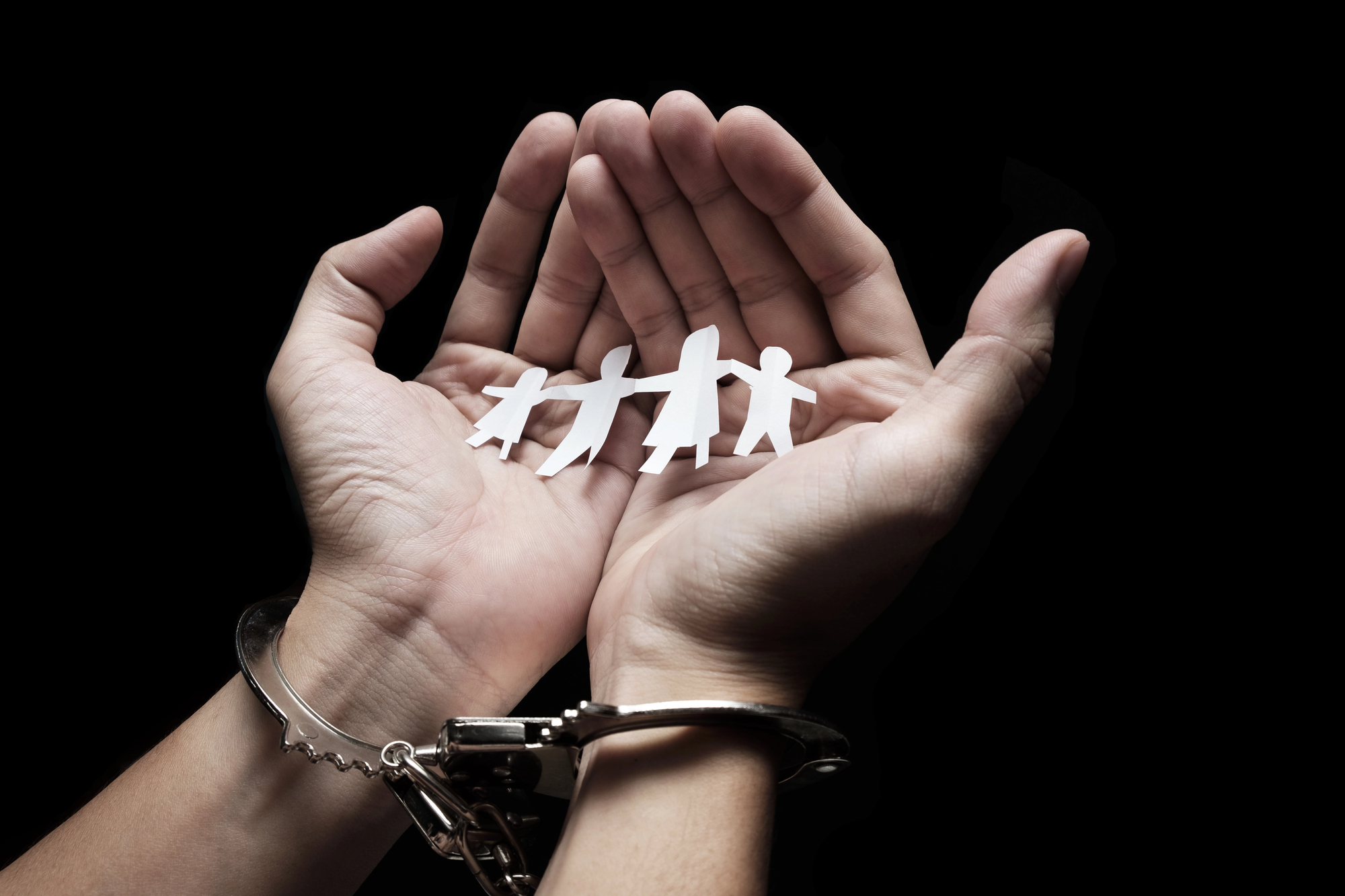
For incarcerated people, phone restrictions can heighten the sense of isolation that imprisonment already imposes. Being cut off from family, friends, and community support networks creates deep emotional and psychological strain. The inability to have regular conversations with loved ones means missing out on important life events—births, graduations, illnesses, or even everyday moments of encouragement. For parents, the limited contact with children can be devastating, weakening family bonds that are already under immense pressure. Studies have shown that maintaining strong family ties during incarceration can play a crucial role in reducing recidivism and supporting smoother reintegration after release. However, when phone restrictions make communication infrequent or prohibitively expensive, incarcerated people are deprived of that stabilizing lifeline.
The costs of phone calls from prisons and jails add another layer of burden. In many jurisdictions, phone services in correctional facilities are contracted out to private companies that charge exorbitant rates. A simple 15-minute call can cost several dollars, which quickly becomes unaffordable for families who may already be struggling financially. For children trying to maintain a relationship with an incarcerated parent, the economic strain on caregivers often forces difficult choices between basic needs and phone contact. This creates inequality, where those with financial means can maintain family relationships more easily, while the poorest suffer deeper disconnection. The sense of unfairness adds to the psychological toll on incarcerated people, amplifying feelings of abandonment and despair.
Phone restrictions also affect incarcerated individuals’ ability to manage their legal matters. Communication with lawyers is a fundamental right, yet restrictions and monitoring systems sometimes blur the line between privacy and oversight. While most facilities provide mechanisms for confidential legal calls, in practice, access can be delayed, limited by scheduling conflicts, or entangled in bureaucratic processes. This can hinder incarcerated people’s ability to advocate for themselves, prepare appeals, or address legal issues in a timely manner. For those without family support to coordinate matters on the outside, restricted phone access can leave them feeling powerless in navigating the justice system.
Yet from the perspective of correctional authorities, restrictions are not simply about control for its own sake; they are rooted in concerns about safety and security. Prisons and jails are environments where illicit communication can facilitate criminal activity. Unrestricted or unmonitored phone access could allow individuals to coordinate escapes, harass victims, engage in fraud schemes, or maintain connections with criminal enterprises outside the walls. Monitoring and limiting calls are therefore viewed as essential measures to prevent such abuses. Additionally, restrictions are often justified as part of maintaining order within facilities, as unregulated access to phones could lead to conflicts, power struggles, or exploitation among incarcerated people.
There is also the logistical challenge of providing equitable access. Correctional facilities often house large populations, but phone resources are limited. Without restrictions on the length or frequency of calls, some individuals might monopolize the phones, leading to tensions and disputes. Time limits and scheduling rules are intended to ensure that everyone has some opportunity to make calls, even if the system is imperfect. Thus, restrictions serve both practical and disciplinary purposes, reinforcing the structured routines that are considered necessary in institutional life.
The debate over phone restrictions also touches on broader philosophical questions about the purpose of incarceration. If prison is intended purely as punishment, then limiting privileges such as phone use fits into that punitive model. But if rehabilitation and reintegration are central goals, then ensuring meaningful communication with families and communities becomes not just compassionate but strategic. Evidence consistently shows that incarcerated individuals with strong support networks are less likely to reoffend, more likely to find stability upon release, and better equipped to rebuild productive lives. In this light, excessively harsh phone restrictions may undermine long-term public safety by increasing the likelihood of recidivism.
Reform advocates argue that security concerns and equitable access can be managed without imposing undue financial and emotional burdens. They call for lowering or eliminating the costs of calls, expanding phone availability, and exploring secure digital communication options such as video calls or monitored email systems. Some jurisdictions have already moved in this direction, recognizing that communication is not a luxury but a cornerstone of successful reentry. These reforms acknowledge the dual truth that while prisons must remain secure, incarcerated people must also remain human, connected to the relationships that give their lives meaning.
In the end, phone restrictions for incarcerated people embody the tension between control and compassion. They are a reminder that incarceration affects not only individuals behind bars but also the families and communities who bear the weight of disconnection. While restrictions are in place to protect safety and order, their unintended consequences can be profound—straining family bonds, deepening inequality, and hindering rehabilitation. Striking a more balanced approach, one that maintains security while fostering human connection, may hold the key to creating a system that truly serves justice and society as a whole.